Jesus Touches a Leper
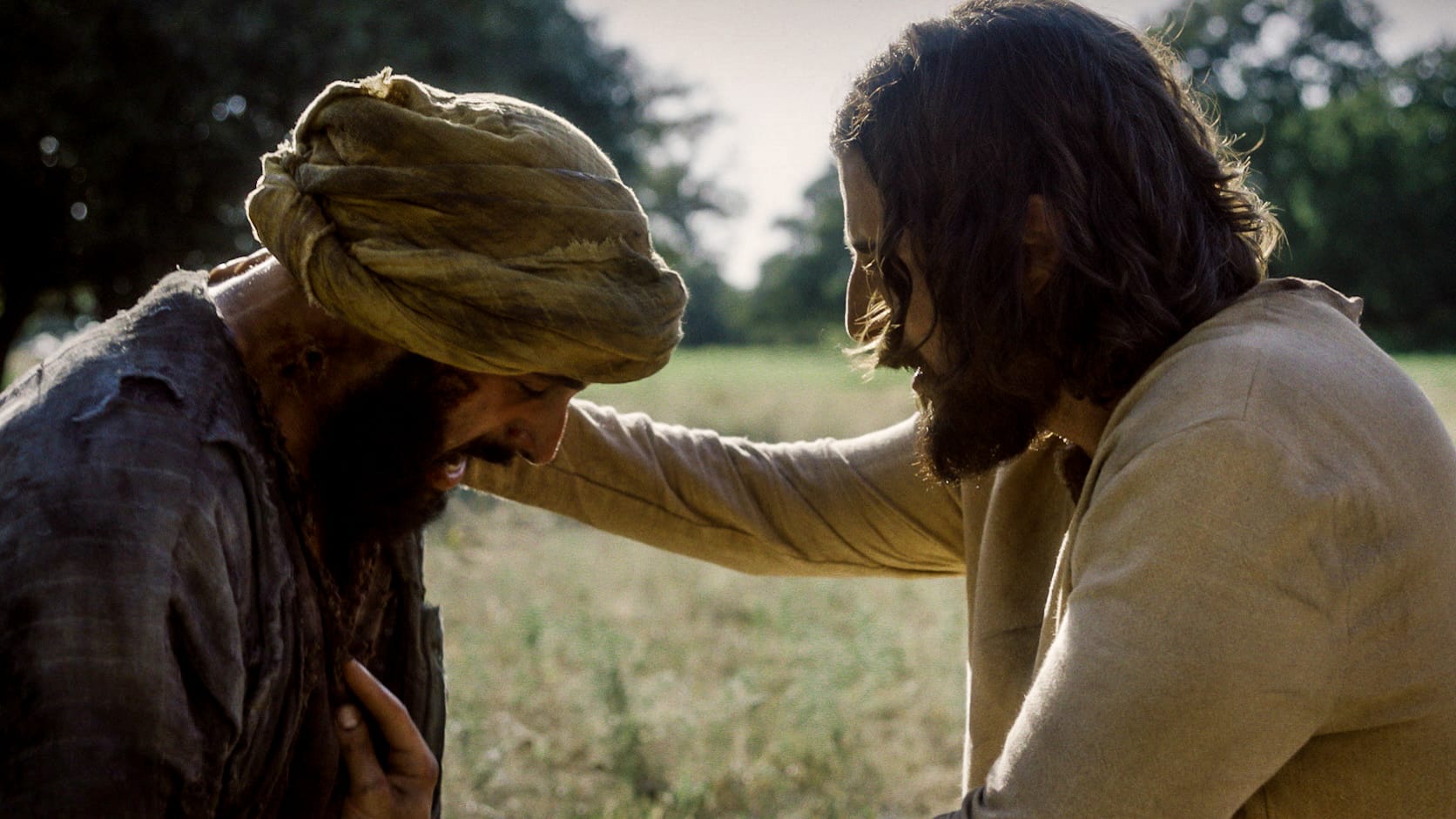
Scripture text: Mark 1:40–45
The account of Jesus cleansing a leper reflects both how our relationship with Him begins and how it continues.
We come to Jesus because we need cleansing. Even after that, there are moments when we feel filthy, ashamed or untouchable. In those moments, Jesus continues to draw near. He cleanses us, restores us and fills our lives with Himself.
A Life Without Peace, Love or Hope
Leviticus 13:45–46 describes how a person diagnosed with leprosy had to cry out, “Unclean! Unclean!” He was also required to live alone, outside the camp.
This declaration forced the leper to face the reality of his condition.
At that time, leprosy had no cure. The leper lived without peace because his condition remained unresolved. He lived without love and fellowship because he was separated from others. He lived without hope because there seemed to be no way for him to become clean again.
In the same way, God brings us to an honest awareness of sin. He reveals our condition clearly so that we will seek the cleansing only He can give.
God makes us aware of our uncleanness so that we will come to Him for cleansing.
Sin often produces hopelessness and denial. We may feel that change is impossible, or avoid confronting what is wrong. Yet God reveals the problem together with the solution.
Cleansing is available.
Jesus Can Do the Impossible
The leper came to Jesus and said:
“If you are willing, you can make me clean.”
Jesus reached out His hand, touched him and said:
“I am willing. Be clean.”
Immediately, the leprosy left him.
The same struggle exists in our own lives. The flesh is difficult to overcome. Our desires can be stubborn. Some sins return again and again, leaving us ashamed and discouraged.
But God does the impossible.
The same Jesus who cleansed the leper can cleanse us from sin. His power is greater than our weakness, our stubbornness and the desires that seem beyond our control.
We are cleansed by the power of Christ.
God’s power is beyond our comprehension. He is able to work within us, overcome our resistance and transform our desires while leading us to respond to Him freely.
When we remember the greatness of His power, we can trust Him even with the parts of ourselves that we struggle to understand.
The God Who Touches the Untouchable
Sin brings rejection, loneliness and shame.
Like leprosy, it isolates. It damages relationships and makes us want to hide. Shame pulls us away from others and convinces us that we are unworthy of love or fellowship.
Yet Jesus touched the leper.
Under the law, touching something ceremonially unclean could make a person unclean. When Jesus touched the leper, His holiness overcame the disease.
Only God can touch what is defiled and make it clean.
When Jesus touches the unclean, His cleanness becomes theirs.
He comes near to the rejected. He restores fellowship to the lonely. He embraces the person everyone else is afraid to approach.
This is also how we know that Jesus loves us personally.
At the cross, Jesus cried, “My God, my God, why have you forsaken me?” The holy Son of God entered the place of judgment and separation caused by sin.
Through the cross, God made a way to deal fully with our sin while receiving us in love. Christ died for us while we were still sinners. He knew every reason we had given Him to turn away, yet He still chose to die for us.
The God who is completely holy is also the God who reaches out to cleanse the unclean.
A Cleansed Life Is a Restored Life
After cleansing the leper, Jesus told him to show himself to the priest and offer what Moses had commanded. This referred to the cleansing ceremony described in Leviticus 14.
The ceremony confirmed that the disease was gone and that the leper could return to the community. Every step affirmed that his life had been restored.
The ceremony included hyssop, cedarwood, scarlet material and two birds. One bird was killed, while the other was dipped in the blood and released. This can be understood as a picture of substitution: a life was given, a penalty was paid and another life went free.
Later, blood was placed on the tip of the cleansed person’s right ear, right thumb and right big toe. Oil was then placed where the blood had already been applied.
The blood covered the whole person—from head to foot. The oil, which can represent the Holy Spirit and consecration, followed where the blood had gone.
First came cleansing. Then came purpose.
The man who once lived without peace, fellowship or hope was now set apart for a new life with God.
A similar ritual was used in the consecration of priests. The former leper, once excluded from the community, was now treated with dignity and purpose.
The one who was once unclean was now cleansed, restored and set apart for God.
Every part of the ceremony declared God’s affirmation over him.
He was clean.
From the Leper’s Cleansing to Ours
The leper’s condition gives us a picture of what sin does.
Sin makes us unclean before God. It takes away peace, severs fellowship and leaves us unable to heal ourselves. It creates shame and drives us into hiding.
Like the leper, we need someone with the authority and power to cleanse us.
That is why Jesus came.
He reveals the seriousness of sin, bears its penalty and cleanses those who come to Him. His holiness overcomes our uncleanness.
This cleansing shapes the whole Christian life. Every time we fall, every time we feel filthy and every time shame tells us to withdraw, we are invited to come again to Christ.
When we feel unclean, we come near to the One who cleanses.
The leper came with his need and with faith that Jesus was able.
Jesus answered with power and compassion:
“I am willing. Be clean.”
That same invitation remains for us.
Jesus cleanses what sin has defiled. He restores what sin has separated. He gives hope where sin has left us helpless.
Our uncleanness meets His holiness.
Our isolation meets His embrace.
Our hopelessness meets His power.
And through His touch, His final word over us is:
You are clean.
Speaker: Bro. Fletcher Frost